Table of Contents
How to Register an External Company on the OBRS in Botswana
Learn how to register an external company on Botswana’s OBRS, including requirements, documents, CIPA fees, beneficial ownership, application steps, compliance and common mistakes.
Botswana has become an increasingly attractive destination for companies looking to expand their operations into Southern Africa. For an established company incorporated outside Botswana, one of the key questions is how to legally establish a presence in the country without creating an entirely new local company.
This is where external company registration comes into play.
An external company is essentially a company incorporated outside Botswana that registers to conduct business or establish a formal presence in Botswana. The registration is handled through the Companies and Intellectual Property Authority (CIPA) using the Online Business Registration System (OBRS).
CIPA’s OBRS was introduced to make company registration faster, more accessible and more convenient, including for international investors. CIPA has stated that the system enables investors locally and internationally to submit company and business-name registrations online from anywhere in the world. urlCIPA official websitehttps://www.cipa.co.bw/
If you are an international company considering expansion into Botswana, understanding the external company registration process before starting the application can save considerable time. The most important part is not simply completing an online form; it is making sure that the foreign company’s corporate documents, ownership information, constitutional documents and supporting evidence are properly prepared.
For businesses researching the broader process of establishing a presence in the country, urlBotswana business registration resourceshttps://www.startabusinessinafrica.com/botswana/ can also provide useful background on the country’s business-registration environment.
What Is an External Company in Botswana?
An external company is a company that was incorporated outside Botswana and subsequently registers in Botswana as a foreign company.
For example, imagine a company incorporated in Namibia, South Africa, Zambia, the United Kingdom or another jurisdiction. If that company wants to establish a formal business presence in Botswana, it may need to register as an external company with CIPA rather than incorporating an entirely new Botswana company.
This structure can be useful where the foreign company wants to:
- Expand its existing operations into Botswana
- Establish a branch or local presence
- Enter into commercial contracts in Botswana
- Participate in business opportunities in Botswana
- Employ or engage people locally
- Maintain the foreign company’s existing corporate identity
- Operate in Botswana while remaining incorporated in its original jurisdiction
The important distinction is that an external company is not the same thing as incorporating a new Botswana private company.
A private company incorporated in Botswana is a separate Botswana-incorporated legal entity. An external company, by contrast, is based on an existing company incorporated in another country.
Why Register an External Company in Botswana?
International expansion involves more than finding customers and opening an office. A foreign company needs to consider corporate registration, taxation, licensing, employment, banking, contracts and ongoing regulatory obligations.
Registering with CIPA provides a formal corporate presence in Botswana and places the foreign company within the country’s company-registration framework.
There are several reasons an international business may consider this structure.
1. Entering the Botswana market
A foreign company may already have an established business in another country but want to start operating in Botswana.
External company registration can provide a formal route for establishing that presence.
2. Expanding an existing business
Businesses with operations across Southern Africa may prefer to extend their existing corporate structure into Botswana rather than create an entirely separate company for every market.
3. Maintaining the foreign company’s identity
An external company registration is connected to the foreign company that already exists.
This can be particularly relevant for established companies that have years of trading history, existing contracts, intellectual property, financing arrangements or international customers.
4. Creating a recognized local presence
Formal registration can make it easier for the business to demonstrate that it has a legitimate corporate presence in Botswana when dealing with customers, suppliers, regulators and other stakeholders.
However, registration with CIPA should not be confused with automatic permission to conduct every type of business activity.
Company registration and business licensing are separate considerations.
A foreign company may need additional approvals, permits or sector-specific licences depending on what it intends to do in Botswana.
Requirements for Registering an External Company in Botswana
One of the most important stages of the process is preparing the documentation.
CIPA’s official foreign-company registration documentation specifies several documents that must accompany an application for registration and continuation of a foreign company in Botswana.
The documentation requirements include corporate records from the country where the company was originally incorporated.
1. Certificate of Incorporation
A certified copy of the foreign company’s certificate of incorporation, or another equivalent document proving incorporation, is required.
This document establishes that the applicant is an existing company legally incorporated in another jurisdiction.
For example, a South African company would generally provide the relevant incorporation documentation issued in South Africa, while a Namibian company would provide its applicable incorporation certificate or equivalent corporate record.
The document should be properly certified where required.
2. Resolution Authorising the Botswana Registration
The foreign company must provide a resolution authorising its continuation or registration in Botswana.
This is an important corporate governance requirement.
The resolution demonstrates that the company’s governing body has formally approved the decision to establish the Botswana presence.
Depending on the company’s jurisdiction and constitutional documents, this may involve a board resolution or another appropriate corporate authorisation.
A common mistake is to treat external company registration as an administrative decision that can simply be made by an individual employee.
The foreign company should instead make sure that its internal corporate approval process has been properly followed.
3. Statement Regarding the Company Structure
CIPA’s documentation requires a statement indicating whether the company is to be registered as:
- A company limited by shares; or
- A company limited by guarantee
The statement also addresses whether the company is a:
- Private company; or
- Public company
This is an area where international applicants should pay attention to how their existing corporate structure corresponds to Botswana’s legal framework.
The classification of the foreign company should be considered carefully rather than simply selecting an option based on terminology used in the company’s home country.
4. Certified Copy of the Company’s Constitution
A certified copy of the document defining the company’s constitution is also among the required supporting documents.
This may include the foreign company’s constitutional or governing documents, depending on the jurisdiction in which it was incorporated.
The purpose is to allow the Botswana registration authority to understand the company’s legal structure and governance arrangements.
5. Statement of Charges on Company Assets
The registration documentation also calls for a statement relating to charges on the company’s assets.
This is important because corporate assets may be subject to security interests, charges or other claims.
Foreign companies should therefore make sure that the information submitted regarding their existing charges is accurate and consistent with their corporate records.
6. Evidence Relating to Eligibility
The application requires evidence acceptable to the Registrar that the company is not prevented from being registered under the relevant provisions of Botswana’s Companies Act.
This is one reason why international businesses should not treat the OBRS application as merely an online form-filling exercise.
The underlying legal eligibility of the foreign company needs to be considered before submitting the application.
7. Additional Company Information
CIPA’s requirements also refer to documents and information required for registering a company under the applicable provisions of the Companies Act.
Applicants should therefore expect to provide corporate information beyond simply uploading the incorporation certificate.
The exact information required can depend on the circumstances of the foreign company and the nature of the registration.
8. Certificate of Good Standing
A Certificate of Good Standing is also an important document to prepare.
For an international company, this provides evidence concerning the company’s standing in its home jurisdiction.
It is advisable to obtain an up-to-date certificate before beginning the application rather than waiting until the registration process is already underway.
What If the Documents Are Not in English?
This is particularly important for multinational companies.
CIPA’s requirements state that where a required document is not in English, a translation certified in accordance with the applicable regulations must accompany the document.
Therefore, if your company was incorporated in a country where corporate documents are issued in another language, you should not assume that simply uploading the original document will be sufficient.
The safer approach is to prepare:
- The original corporate document
- A properly certified translation where required
- Any required certification or authentication
This can prevent delays caused by incomplete documentation.
How to Register an External Company on the OBRS
The registration process is conducted through CIPA’s Online Business Registration System (OBRS).
CIPA’s system requires users to create an OBRS profile. CIPA explains that users need an active email address and active mobile number when creating a profile, with login credentials subsequently used to access the system.
If you are registering on behalf of yourself, you can review this guide to creating an individual profile on the OBRS. For companies or organisations using an organisational account, there is also a guide to creating an organisation profile on the OBRS.
The general process can be approached in the following stages.
Step 1: Determine Whether External Company Registration Is Appropriate
Before creating an OBRS application, establish whether you actually need an external company registration.
Ask:
- Is the company already incorporated outside Botswana?
- Does it intend to establish a formal business presence in Botswana?
- Does its proposed activity require registration or licensing in Botswana?
- Would a new Botswana subsidiary be more appropriate?
- Does the foreign company’s corporate structure work with the proposed Botswana registration?
This decision should ideally be made before spending money on document preparation.
Step 2: Prepare the Foreign Company’s Corporate Documents
Gather the documents that demonstrate the company’s legal existence and governance.
A preparation checklist should include:
- Certificate of incorporation
- Certificate of Good Standing
- Company constitution or equivalent governing document
- Corporate resolution authorising Botswana registration
- Information regarding company ownership and management
- Information regarding directors and other relevant officers
- Statement concerning the company’s legal structure
- Statement of charges on company assets
- Other documents requested by CIPA
Keep certified copies organized and ensure that names, registration numbers and dates are consistent across all documents.
Step 3: Create or Access Your OBRS Profile
The applicant needs an OBRS user profile.
CIPA states that an OBRS profile requires an active email address and mobile number.
This is particularly useful for foreign investors because the system is designed to support online submissions rather than requiring every international applicant to physically visit Botswana simply to begin the registration process.
If you need to correct information after setting up your account, you can also review the guide on how to change profile details on the OBRS.
Applicants who need to fund their OBRS account can follow a guide on how to create a pre-pay account on the OBRS. If you lose your login credentials, a separate guide explains how to change a password on OBRS.
Step 4: Start the External Company Registration Application
Once logged into OBRS, proceed to the relevant company-registration service and select the option applicable to an external company.
The application will require information about the foreign company and its proposed Botswana presence.
The information entered online should correspond exactly with the supporting documents.
For example, avoid situations where:
- The company name differs between documents
- The incorporation number is entered incorrectly
- Director information does not match the corporate records
- Addresses are inconsistent
- The company’s legal structure is incorrectly classified
Small inconsistencies can create unnecessary delays.
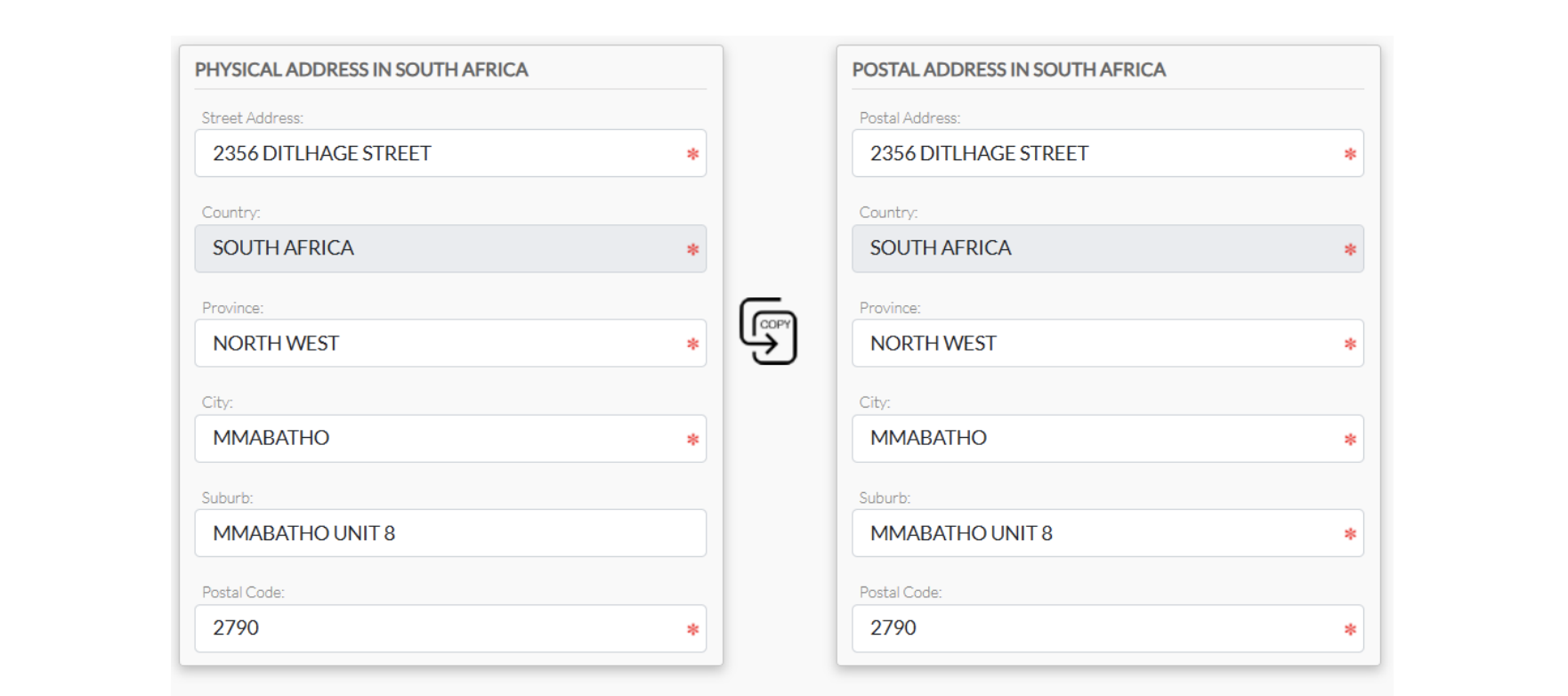
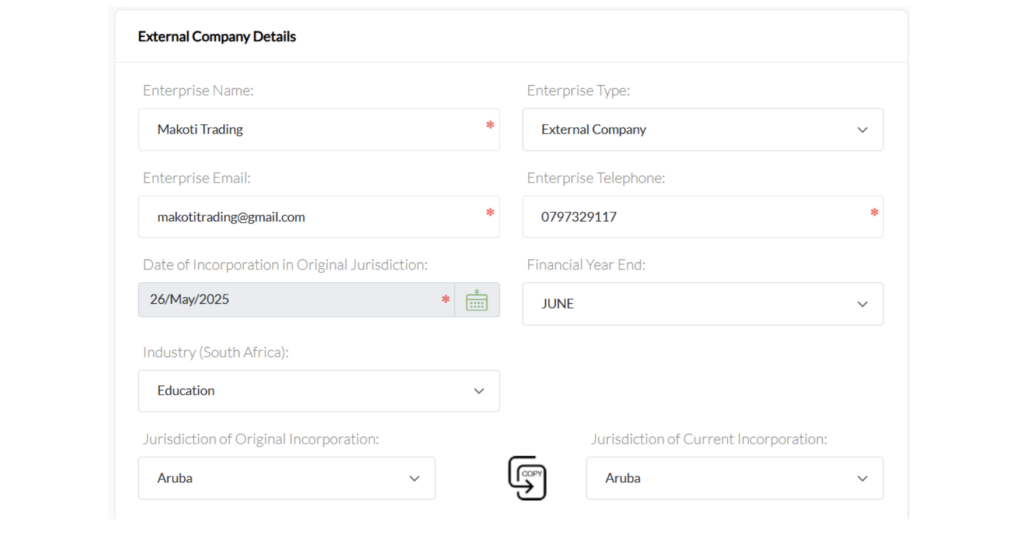
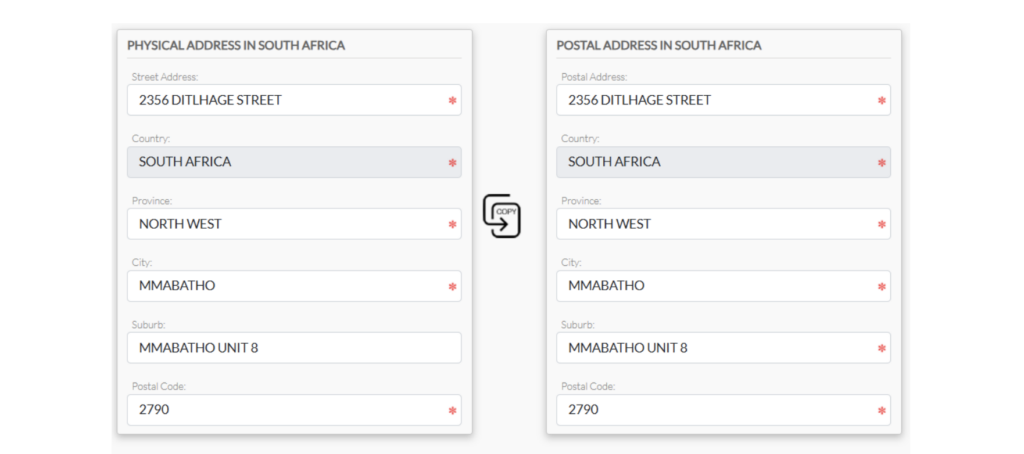
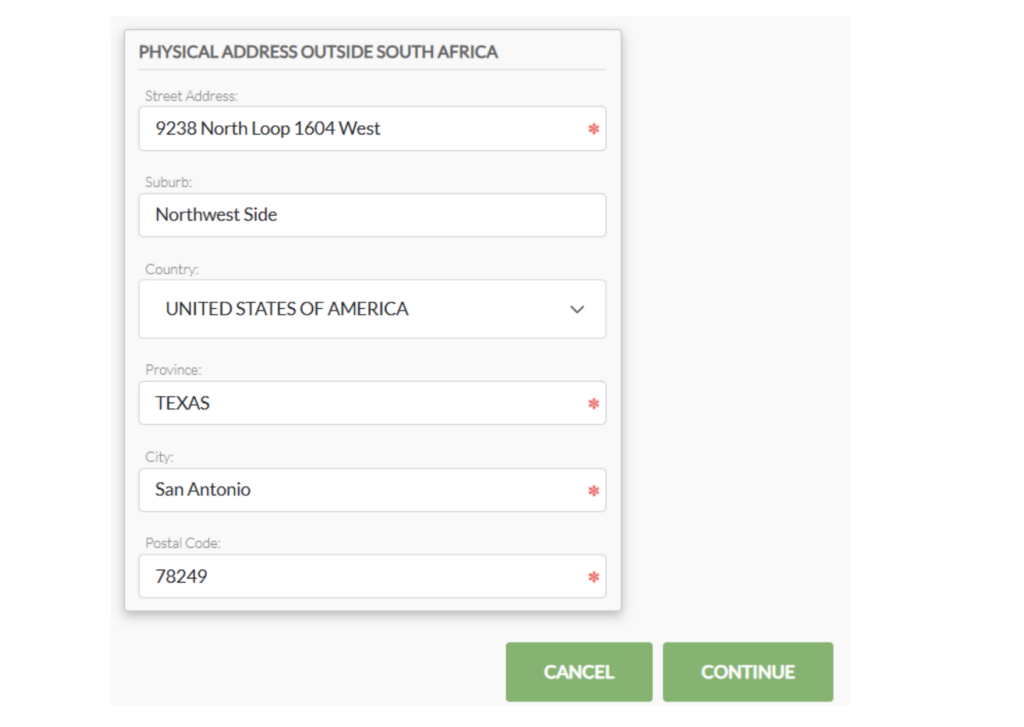
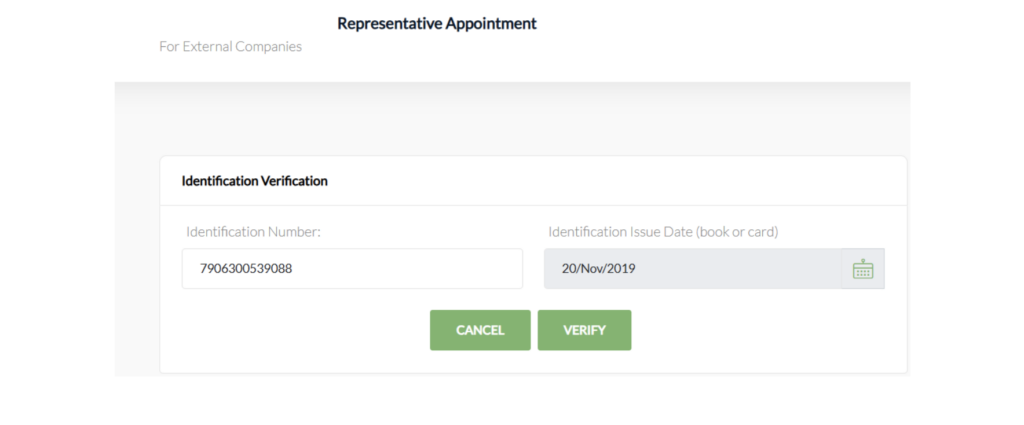
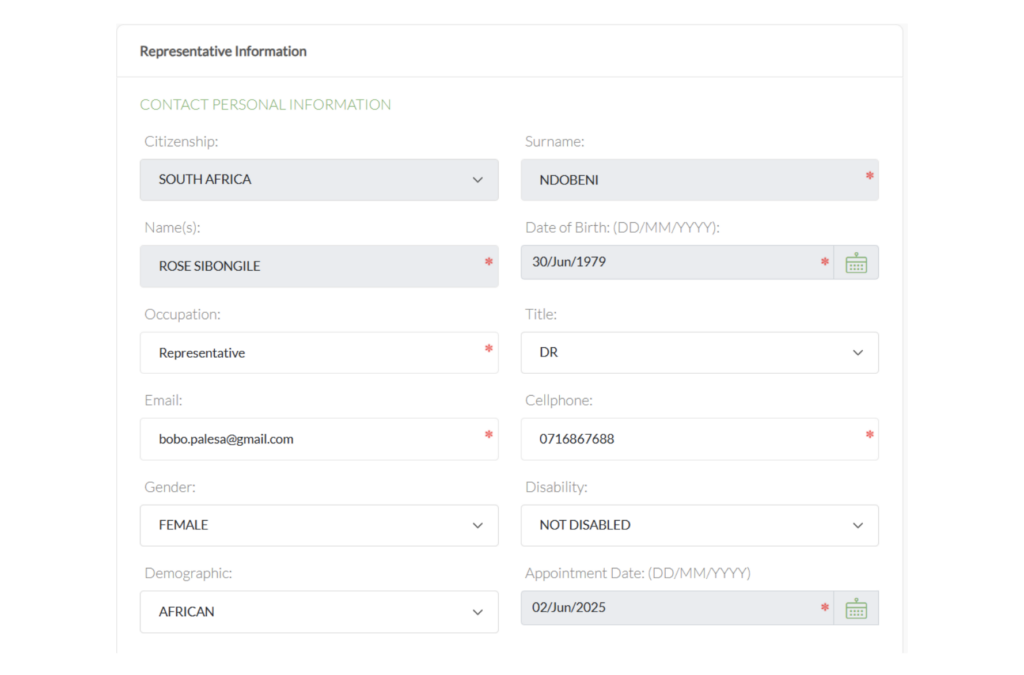
For applicants who want to understand the actual online workflow before starting, this step-by-step guide to registering an external company on the OBRS can be used as a practical reference.
Step 5: Enter the Company Information Carefully
The application should be completed using the company’s official corporate information.
This can include information relating to:
Foreign company
- Registered company name
- Country of incorporation
- Registration or incorporation number
- Registered office
- Corporate status
- Company type
Management
- Directors
- Relevant officers
- Other required management information
Botswana presence
Depending on the application requirements, information relating to the company’s Botswana operations and local representation may also be required.
The key principle is simple:
The information entered on OBRS should be consistent with the company’s official corporate records.
Step 6: Upload the Supporting Documents
The required supporting documents should then be submitted through the OBRS application.
This is where preparation becomes especially important.
Before uploading, check each document for:
- Correct company name
- Correct registration number
- Clear scans
- Valid certification
- Complete pages
- Correct signatures
- Appropriate translation where necessary
- Current information
Do not wait until the application is rejected to discover that one of the company’s corporate documents is incomplete.
Step 7: Pay the Applicable Registration Fees
CIPA publishes fees for services available through the OBRS.
One official CIPA fee schedule lists the external company registration charge as P4,600 online fee plus P6,000 CIPA fee, while another published OBRS fee schedule lists different figures, including P1,000 online fee plus P1,500 CIPA fee for external company registration.
This difference between published fee schedules is important.
Applicants should verify the current applicable fee directly on the CIPA OBRS before making payment, rather than relying on an old fee table found online.
Government fees can change, and older CIPA documents may remain accessible online after fee schedules have been updated.
Step 8: Submit the Application
After completing the information, uploading the supporting documentation and paying the applicable fees, submit the application through OBRS.
At this point, CIPA can review the application and supporting documents.
The application should be monitored carefully after submission in case additional information or corrections are required.
Step 9: Respond to Queries or Corrections
A registration application is not necessarily finished simply because the online form has been submitted.
If CIPA identifies an issue, the applicant may need to correct information or provide additional documentation.
Common causes of problems can include:
- Missing supporting documents
- Incorrect corporate information
- Poor-quality scans
- Incorrect certification
- Inconsistent company information
- Missing translations
- Incorrect company classification
- Incomplete declarations
Responding promptly can help prevent unnecessary delays.
Step 10: Obtain the Registration Documentation
Once the application has been approved, the registered external company should retain its CIPA documentation securely.
The company should also ensure that the relevant directors and authorised representatives can access the company’s information through OBRS.
CIPA explains that authority on OBRS is linked to specific companies. Directors and company secretaries can apply for authority, and authority can also be revoked when a person is no longer associated with the company.
After registration, businesses should know how to retrieve their official documents. This guide to viewing a certificate or extract of a company or business name on the OBRS can be useful when accessing registration records.
This is an important practical issue for companies that use external consultants, accountants or company secretaries to handle their registrations.
Understanding OBRS Authority
One of the most useful features of the OBRS system is its authority structure.
CIPA states that the person who registers a company receives authority automatically, while directors and company secretaries can apply for authority.
This means a foreign company should think carefully about who controls access to the OBRS company profile.
If a consultant or company secretary completes the registration on behalf of the foreign company, the directors should make sure they can subsequently obtain appropriate access.
Why this matters
Imagine an international company hires an agent to register its Botswana operation.
The agent completes the registration, but later the relationship ends.
If the company’s directors have never established their own OBRS authority, they may need to go through the authority-request process to regain direct access.
CIPA provides a process through which a company director can search for the company, open Filings and Maintenance, select Request Authority, and follow the system’s instructions.
For this reason, foreign companies should maintain control over their corporate account and access credentials.
Beneficial Ownership and External Companies
Modern company registration is no longer simply about entering the company’s registered name and directors.
Beneficial ownership has become an important part of corporate transparency and anti-money-laundering compliance.
CIPA’s OBRS upgrade introduced enhanced features for declaring beneficial owners. CIPA states that companies must declare persons having ownership or control and that the beneficial owner must be a natural person.
For international businesses, this means the ownership chain should be understood before beginning registration.
If the Botswana presence ultimately connects to:
- A parent company
- Holding companies
- Trusts
- Other legal entities
- Multiple shareholders
the company should be prepared to identify the relevant natural persons who ultimately exercise ownership or control, where required.
Mandatory Company Constitutions
Another important development in Botswana’s company-registration environment is the requirement concerning company constitutions.
CIPA announced as part of its OBRS upgrade that, following the Companies Amendment Act, 2022, companies are required to have a constitution. The requirement applies to new registrations as well as existing companies.
Foreign companies should therefore pay attention to how their existing constitutional documents relate to Botswana’s requirements.
This is another reason why applicants should not assume that their home-country corporate documents automatically satisfy every Botswana requirement.
External Company Registration vs a Botswana Private Company
One of the biggest decisions for a foreign investor is whether to register the existing company as an external company or establish a new Botswana-incorporated company.
These structures are not interchangeable.
| External Company | Botswana Private Company |
|---|---|
| Based on an existing foreign company | Newly incorporated in Botswana |
| Foreign company remains the underlying corporate entity | Botswana company becomes a separate legal entity |
| Useful for branches or foreign corporate expansion | Useful for a locally incorporated subsidiary |
| Requires foreign-company documentation | Requires Botswana incorporation |
| Parent company’s corporate history remains relevant | New company has its own corporate identity |
| Suitable for some international expansion strategies | Often useful for locally structured operations |
If a foreign investor decides that incorporation of a new Botswana private company is more appropriate, they can review the OBRS private company registration process.
The better option depends on the investor’s objectives, tax position, financing arrangements, ownership structure, licensing requirements and long-term plans.
A foreign business should not automatically choose an external company merely because it already has an overseas company.
Does External Company Registration Give You a Business Licence?
No.
This is one of the most important distinctions to understand.
Registering an external company with CIPA establishes the company’s registration status, but it does not automatically give the business every licence or permit it may need.
Depending on the industry, a company may need additional regulatory approvals.
For example, businesses operating in regulated sectors may need approvals from the relevant government authority before commencing operations.
Potential areas requiring additional attention include:
- Financial services
- Insurance
- Construction
- Tourism
- Transport
- Telecommunications
- Mining
- Health services
- Security services
- Employment-related activities
- Import and export activities
- Other regulated industries
Therefore, the correct approach is:
CIPA registration → sector assessment → applicable licences and permits → tax and other registrations → commencement of business
The precise requirements depend on the company’s activities.
Tax Registration After CIPA Registration
Company registration and tax registration are separate compliance matters.
An international company expanding into Botswana should consider its tax obligations and determine whether registration with the relevant tax authority is required.
The business should also assess issues such as:
- Corporate income tax
- VAT
- Withholding tax
- Employee-related taxes
- Cross-border transactions
- Transfer pricing
- Tax residency
- Permanent establishment considerations
For multinational businesses, tax planning should be done before transactions begin rather than after the company has already established operations.
A company may be legally registered but still fail to comply with other obligations if it overlooks taxation.
Opening a Corporate Bank Account
Once the Botswana presence has been established, an international business may also want to open a local corporate bank account.
Banks typically conduct their own due diligence.
This can involve reviewing:
- CIPA registration documents
- Foreign incorporation documents
- Directors
- Shareholders
- Beneficial owners
- Identification documents
- Proof of address
- Business activities
- Source of funds
- Corporate resolutions
- Tax documentation
Therefore, registering the external company does not automatically guarantee bank-account approval.
The bank’s requirements are separate from CIPA’s registration requirements.
Common Mistakes Foreign Companies Should Avoid
1. Starting Without Certified Documents
One of the easiest ways to create delays is to begin the OBRS application before the foreign corporate documents are properly prepared.
Prepare the documents first.
2. Using Outdated Corporate Information
A company may have changed:
- Directors
- Registered address
- Company name
- Shareholding
- Constitution
- Corporate status
Make sure the documents supplied to CIPA reflect the company’s current position.
3. Ignoring Beneficial Ownership
International ownership structures can be complicated.
Do not wait until the application is underway to determine who ultimately owns or controls the company.
Map the ownership structure in advance.
4. Assuming Foreign Documents Are Automatically Accepted
A document that is perfectly valid in the company’s home jurisdiction may still require certification, translation or additional supporting evidence for use in Botswana.
5. Confusing Registration With Licensing
CIPA registration is an important step, but it is not a universal business licence.
Always check whether the proposed activities are regulated.
6. Giving an Agent Permanent Control of the Company
Professional registration agents can make the process easier, particularly for international investors.
However, the foreign company should maintain appropriate corporate control.
Make sure directors understand:
- Who created the OBRS account
- Who has authority
- Who controls the login
- Who has access to company records
- How authority can be changed or revoked
How Long Does External Company Registration Take?
The processing time can depend on the completeness of the application and CIPA’s current processing workload.
CIPA has previously highlighted the OBRS’s ability to support a 24-hour turnaround standard for applications, although applicants should not assume that every external-company application will necessarily be completed within exactly 24 hours.
Foreign company applications can involve more documentation than straightforward local registrations.
For this reason, the best way to reduce delays is to submit a complete application rather than focusing solely on how quickly the application can be filed.
A Practical Pre-Registration Checklist
Before submitting an external company application on the Botswana OBRS, prepare the following checklist.
Corporate documents
- Certificate of incorporation
- Certificate of Good Standing
- Constitution or equivalent governing document
- Corporate resolution authorising Botswana registration
- Statement concerning company structure
- Statement of charges
- Required corporate information
- Certified copies where required
- Certified English translations where applicable
Management and ownership
- Director information
- Shareholder information
- Beneficial ownership information
- Authorised representative information
- Identification documents where required
OBRS
- Active email address
- Active mobile number
- OBRS profile
- Correct company registration service selected
- Supporting documents prepared
- Current registration fee confirmed
- Payment method available
- Application reviewed before submission
After registration
- Registration documents saved
- Director access confirmed
- OBRS authority reviewed
- Tax obligations assessed
- Business licences checked
- Banking requirements assessed
- Annual compliance calendar created
Why Professional Preparation Can Be Valuable
Registering an external company may appear straightforward because the application is online.
However, the online nature of the process does not eliminate the complexity of international corporate compliance.
A foreign company may have documents from several jurisdictions, multiple shareholders, holding companies, directors living in different countries and different corporate terminology.
Professional assistance can therefore be valuable when:
- The company has a complicated ownership structure
- The parent company is incorporated outside Southern Africa
- Documents are not in English
- The company operates in a regulated industry
- The directors are unfamiliar with Botswana’s corporate requirements
- The business needs help with local compliance after registration
- The company wants to establish a subsidiary or branch and is unsure which structure is appropriate
The objective should not simply be to get a certificate.
The objective should be to establish the business correctly and maintain compliance after registration.
What Happens After Registration?
Registration is the beginning of the company’s Botswana presence, not the end.
An international company should establish a compliance system immediately after registration.
This should cover:
Corporate compliance
Monitor:
- Company information
- Directors
- Shareholders
- Beneficial ownership
- Company secretary requirements
- Registered information
- Annual returns and other filings
Tax compliance
Determine:
- Tax registration requirements
- Filing obligations
- VAT requirements
- Employee tax obligations
- Withholding tax obligations
- Cross-border tax considerations
Operational compliance
Check:
- Business licences
- Sector permits
- Employment requirements
- Immigration requirements for foreign workers
- Local authority requirements
- Import/export requirements
OBRS access
Keep control of:
- OBRS login credentials
- Company authority
- Corporate records
- Registration documents
- Filing history
This becomes particularly important when a company changes its accountant, company secretary, consultant or local representative.
Final Thoughts
Registering an external company on the Botswana Online Business Registration System (OBRS) can provide an efficient route for an established foreign company seeking to expand into Botswana.
The process is largely digital, and CIPA has designed OBRS to make company registration accessible to investors both inside and outside Botswana.
But the most important part of the process happens before clicking the submit button.
A foreign company should first determine whether an external company is the right structure, prepare its corporate documents, obtain the necessary corporate approvals, confirm beneficial ownership information, ensure documents are correctly certified and translated where necessary, and verify the latest CIPA fees and requirements.
It is also important to remember that CIPA registration is only one component of establishing a business in Botswana. Tax registration, sector-specific licences, banking, employment, immigration and ongoing corporate compliance may all need to be addressed separately.
For international investors, a well-prepared application can make the process considerably smoother. The goal should be more than simply obtaining registration: it should be establishing a compliant and sustainable Botswana operation from the outset.
If an external company is not the appropriate structure, other OBRS options are available. For example, businesses can explore how to register a business name on the OBRS, how to register a close company on the OBRS, or how to register a company limited by guarantee on the OBRS, depending on the intended structure. Public companies can also follow the OBRS public company registration process.
Businesses that need to establish a company name before registration may also find the OBRS company-name reservation guide useful.
Important: CIPA requirements, fees and OBRS procedures can change. The official CIPA website and the OBRS should be checked for the latest requirements before submitting an application. CIPA has also introduced OBRS enhancements relating to constitutions, beneficial ownership, nominee declarations and other compliance features, so older registration guides may no longer contain the complete current picture.