Tag: Botswana

  • How One African Nation Turned Natural Wealth Into Sustainable Development

    How One African Nation Turned Natural Wealth Into Sustainable Development

    How One African Nation Turned Natural Wealth Into Sustainable Development

    Discover how Botswana avoided the resource curse and transformed diamond wealth into economic growth, political stability, education, healthcare, and sustainable development.

    Botswana is one of the most fascinating economic success stories in modern Africa. In a region where natural resources have often been associated with corruption, political instability, and inequality, Botswana achieved something rare: it discovered enormous mineral wealth and used it to build a more stable, prosperous, and inclusive society.

    The country’s journey challenges a common assumption that natural resources automatically create problems. Diamonds have damaged economies and fueled conflicts in many parts of the world, but Botswana transformed its diamonds into roads, schools, healthcare systems, and national development.

    However, Botswana’s success was never simply about finding diamonds. The real story is about institutions, leadership, political stability, and long-term planning.

    The country’s experience provides valuable lessons for resource-rich nations seeking to transform natural wealth into lasting prosperity. It also highlights the importance of creating economic opportunities beyond natural resources, including entrepreneurship, private investment, and small businesses. Many African economies are exploring similar paths through unique business opportunities across Africa and strategies designed to support growth in developing countries.


    The Resource Curse: Why Botswana’s Story Is Different

    When Botswana gained independence from Britain in 1966, it was among the poorest nations in the world. The country had limited infrastructure, few industries, and very little economic power.

    Then, just one year later in 1967, Botswana discovered one of the largest diamond deposits on Earth.

    At first glance, this seemed like both a blessing and a potential disaster.

    Many countries rich in natural resources have experienced what economists call the resource curse—a situation where valuable resources create more problems than benefits.

    Instead of producing widespread prosperity, natural resources can lead to:

    • Corruption among political elites.
    • Conflict over resource control.
    • Weak government institutions.
    • Extreme inequality.
    • Dependence on one industry.
    • Economic instability when resource prices fall.

    Examples across Africa demonstrate this challenge:

    • Zimbabwe’s diamond and mineral resources have been linked to political tensions and economic struggles.
    • Angola’s oil wealth created enormous national revenue but also contributed to deep economic inequality.
    • The Democratic Republic of Congo possesses vast mineral wealth but has experienced decades of conflict and instability.

    Botswana faced the same risk.

    Yet, rather than allowing diamonds to become a source of division, Botswana created systems that ensured mineral wealth benefited the country as a whole.


    Botswana’s Remarkable Rise Among African Nations

    Over the decades following independence, Botswana became an economic and political exception in sub-Saharan Africa.

    The country achieved impressive results in several areas:

    • Strong economic growth.
    • Relatively low levels of corruption.
    • Political stability.
    • Peaceful democratic transitions.
    • Improved healthcare and education.
    • Rising living standards.

    Botswana became one of the most peaceful countries on the continent and developed a reputation for responsible governance.

    Its success demonstrates an important principle:

    Natural resources do not determine a country’s future. The institutions managing those resources do.

    A strong business environment has also become an important part of Africa’s broader economic transformation. Countries seeking similar progress increasingly focus on entrepreneurship, investment, and identifying the most profitable businesses in Africa that can create employment and reduce dependence on a single industry.


    The Foundations Were Built Before Diamonds Were Discovered

    One of the biggest reasons Botswana succeeded was that it developed political structures before discovering its mineral wealth.

    Unlike many African territories during European colonial expansion, Botswana experienced a relatively different colonial history.


    The Bechuanaland Protectorate: A Different Colonial Experience

    During the late 1800s, European powers competed aggressively for control of African territories.

    However, present-day Botswana—then called the Bechuanaland Protectorate—was not viewed as a major economic prize.

    Several factors shaped this outcome:

    • The territory had limited European settlement.
    • It was not heavily exploited for natural resources.
    • Britain focused more on strategic interests than economic extraction.
    • Traditional African leadership structures remained influential.

    Britain’s main concern was protecting the region from surrounding expansion by German forces and Boer settlers rather than extracting wealth from the territory.

    As a result, Botswana entered independence without some of the deep ethnic divisions, violent struggles, and colonial conflicts experienced elsewhere.


    Traditional Governance and the Birth of Inclusive Institutions

    A major explanation for Botswana’s success lies in its historical political traditions.

    Economists Daron Acemoglu and James A. Robinson, authors of Why Nations Fail, argue that successful countries depend heavily on inclusive institutions.

    Inclusive institutions are systems that:

    • Allow broad participation in political life.
    • Protect economic opportunity.
    • Limit the concentration of power.
    • Encourage accountability.

    Botswana had important elements of these ideas long before independence.


    The Three Chiefs Who Changed Botswana’s Future

    During the late 19th century, Botswana’s traditional leaders recognized the threat posed by British imperial expansion.

    Three important chiefs emerged as defenders of their people:

    1. Chief Khama
    2. Chief Bathoen
    3. Chief Sebele

    The three leaders traveled from Southern Africa to London to negotiate directly with British officials.

    Their goal was unusual: instead of resisting all foreign involvement, they requested increased British protection to prevent domination by Cecil Rhodes, one of Britain’s most powerful imperial figures.

    Rhodes wanted to expand his influence across Southern Africa, but the chiefs successfully negotiated a different future.

    They reached an agreement with British Colonial Secretary Joseph Chamberlain:

    • Britain would provide protection.
    • The Tswana territories would remain separate from Rhodes’ ambitions.
    • A railway line would be constructed through the region.

    This diplomatic achievement helped preserve Botswana’s political identity.


    Traditional Democracy: “The King Is King by the Grace of the People”

    Although Botswana’s traditional leadership system was based on hereditary chiefs, leaders were not completely unchecked.

    Chiefs were expected to:

    • Consult community members.
    • Listen to public concerns.
    • Respond to grievances.
    • Demonstrate leadership ability.

    In some cases, leadership could change if another person proved more capable.

    This tradition created a political culture centered around consultation and accountability.

    A famous proverb captured this philosophy:

    “The king is king by the grace of the people.”

    These values later influenced Botswana’s democratic institutions.


    Seretse Khama: The Leader Who Shaped Modern Botswana

    One of the most important figures in Botswana’s history was Seretse Khama.

    He was the grandson of one of the chiefs who had traveled to Britain and later became a national political leader.

    While studying in the United Kingdom, Khama married Ruth Williams, a white British woman.

    Their marriage became controversial because it occurred during the beginning of apartheid in South Africa.

    The consequences were significant:

    • South Africa opposed the marriage.
    • Britain faced political pressure.
    • Khama was temporarily prevented from returning home.
    • His leadership position was questioned.

    Eventually, Khama returned to Botswana and entered politics.

    Rather than seeking power as a traditional monarch, he became a modern political leader.


    A Moderate Path to Independence

    Seretse Khama founded the:

    Bechuanaland Democratic Party (BDP)

    The party promoted:

    • Moderate political policies.
    • Protection of private property.
    • Economic stability.
    • Peaceful independence.

    At a time when many newly independent nations were experiencing revolutionary movements and political violence, Botswana followed a more gradual approach.

    Khama won the country’s first universal elections and became Botswana’s first president after independence.


    Building Democracy After Independence

    As president, Seretse Khama focused on creating strong national institutions.

    His government emphasized:

    • A constitution protecting rights.
    • Accountability through parliament.
    • Tribal advisory participation.
    • Free elections.
    • Multi-party politics.

    A particularly important decision was avoiding revenge-based policies against former colonial administrators.

    Instead of removing experienced officials simply because they represented the colonial era, Botswana used their knowledge to help build the new state.

    This approach helped create continuity and stability.


    Preparing for Diamonds Before They Arrived

    Perhaps Botswana’s greatest achievement was preparing for resource wealth before discovering it.

    President Khama introduced policies ensuring that future mineral discoveries would benefit the entire nation.

    Important decisions included:

    • Giving the government control over underground resources.
    • Ensuring diamond revenues would be shared nationally.
    • Preventing resource ownership from being controlled by a small elite.

    When diamonds were discovered, Botswana already had the institutions needed to manage them.


    Debswana: The Diamond Partnership That Changed Everything

    The discovery of diamonds led to the creation of:

    Debswana

    A partnership between:

    • The Botswana government.
    • De Beers.

    Unlike many resource agreements where multinational companies receive most profits, Botswana negotiated a 50/50 ownership structure.

    This meant the government became a direct partner in the diamond industry.

    The benefits included:

    • Mining revenue for national development.
    • Employment opportunities.
    • Tax income.
    • Investment in public services.

    A large portion of diamond-related wealth remained inside Botswana’s economy.


    How Botswana Invested Diamond Wealth

    The government did not simply collect diamond income—it invested it.

    The country used resource revenue to transform society.


    Infrastructure Development: Building a Modern Nation

    At independence, Botswana had only around:

    • 7 miles (12 kilometers) of paved roads.

    Diamond revenue changed this dramatically.

    Investment created:

    • Roads across the Kalahari Desert.
    • Better connections between communities.
    • Improved transportation networks.
    • Public infrastructure.

    The country moved from being one of the least developed nations toward becoming a functioning modern economy.


    Education: From Limited Access to Mass Development

    Education became one of Botswana’s biggest priorities.

    Government investment helped create:

    • Expanded schools.
    • Greater access to education.
    • Long-term human capital development.

    At independence, Botswana had only about:

    • 100 high school graduates.

    Today, literacy rates are close to:

    • 90%.

    This shows how resource wealth can create lasting benefits when invested in people.


    Supporting Agriculture and Cattle Production

    Although diamonds became Botswana’s main export, cattle remained economically and culturally important.

    The government invested in:

    • Beef processing facilities.
    • Veterinary services.
    • Livestock support programs.
    • Agricultural infrastructure.

    This helped protect traditional economic activities while the mining sector expanded.

    Rural development remains essential for many African economies, with communities increasingly exploring profitable rural business opportunities and local industries that create employment outside major cities.


    Botswana’s Fight Against HIV/AIDS

    In the 1990s, Botswana faced a devastating HIV/AIDS crisis.

    The situation threatened the country’s future:

    • Approximately one in eight infants was infected at birth.
    • Mother-to-child transmission reached around 40%.

    However, Botswana used its financial resources to launch a major national response.

    The government invested in:

    • HIV education campaigns.
    • Testing programs.
    • Anti-stigma initiatives.
    • Free antiretroviral medication beginning in 2002.

    The results were dramatic:

    • Mother-to-child transmission fell below 1%.
    • Botswana became internationally recognized for its HIV response.

    The Hidden Weakness: Botswana’s Dependence on Diamonds

    Despite its achievements, Botswana developed a major vulnerability.

    The country became heavily dependent on diamond mining.

    Diamonds represent approximately:

    • 80% of exports.
    • One-third of government revenue.

    This creates risks because the global diamond market is changing.


    The Rise of Lab-Grown Diamonds

    The growth of laboratory-created diamonds has created new challenges.

    Consumers are increasingly influenced by:

    • Lower prices.
    • Environmental concerns.
    • Ethical concerns surrounding mining.

    By 2025:

    • Botswana experienced a significant decline in diamond production.
    • The economy contracted for the second consecutive year.

    The industry that built Botswana’s success became a source of uncertainty.


    A New Political Era and Economic Diversification

    For decades, the Botswana Democratic Party (BDP) dominated national politics.

    However, economic challenges contributed to a political transition in 2024.

    The transfer of power was peaceful, demonstrating the strength of Botswana’s democratic institutions.

    The new government under Duma Boko faces a major challenge:

    How can Botswana maintain prosperity without relying almost entirely on diamonds?


    Botswana’s Search for New Economic Opportunities

    Tourism Development

    Botswana has major tourism advantages:

    • World-famous wildlife reserves.
    • Political stability.
    • Safety.
    • Natural landscapes.

    However, tourism generally does not generate the same broad economic impact as mining.

    Developing diverse economic sectors requires supporting entrepreneurs and investors through clear strategies, including understanding how to start a business in Africa and building industries beyond traditional resources.


    New Mineral Opportunities

    Botswana is exploring additional resources, including:

    • Critical minerals.
    • Copper deposits.
    • Other underground resources.

    The challenge will be managing future discoveries with the same discipline applied to diamonds.


    Solar Energy Potential

    Botswana is also investing in renewable energy.

    A planned $100 million solar project aims to:

    • Increase electricity generation.
    • Export power within Southern Africa.
    • Reduce economic dependence on diamonds.

    The country’s large open spaces and strong sunlight provide significant renewable energy potential.


    The Lessons Botswana Offers the World

    Botswana’s story provides several important lessons for developing countries.

    1. Resources Are Not Enough

    Having natural wealth does not guarantee prosperity.

    The difference comes from:

    • Strong institutions.
    • Responsible leadership.
    • Long-term planning.

    2. Prepare Before Wealth Arrives

    Botswana created rules for managing resources before diamonds were discovered.

    This prevented:

    • Corruption.
    • Resource conflicts.
    • Unequal distribution.

    3. Invest in People

    The country used diamond revenue to improve:

    • Education.
    • Healthcare.
    • Infrastructure.

    Human development became the foundation of future growth.


    4. Diversification Is Essential

    Botswana’s biggest challenge today is reducing dependence on diamonds.

    Future success will require growth in:

    • Tourism.
    • Renewable energy.
    • Technology.
    • New industries.
    • Additional mineral sectors.

    Entrepreneurship will likely play a major role, especially as African economies look toward untapped business opportunities across the continent to create new sources of income and employment.
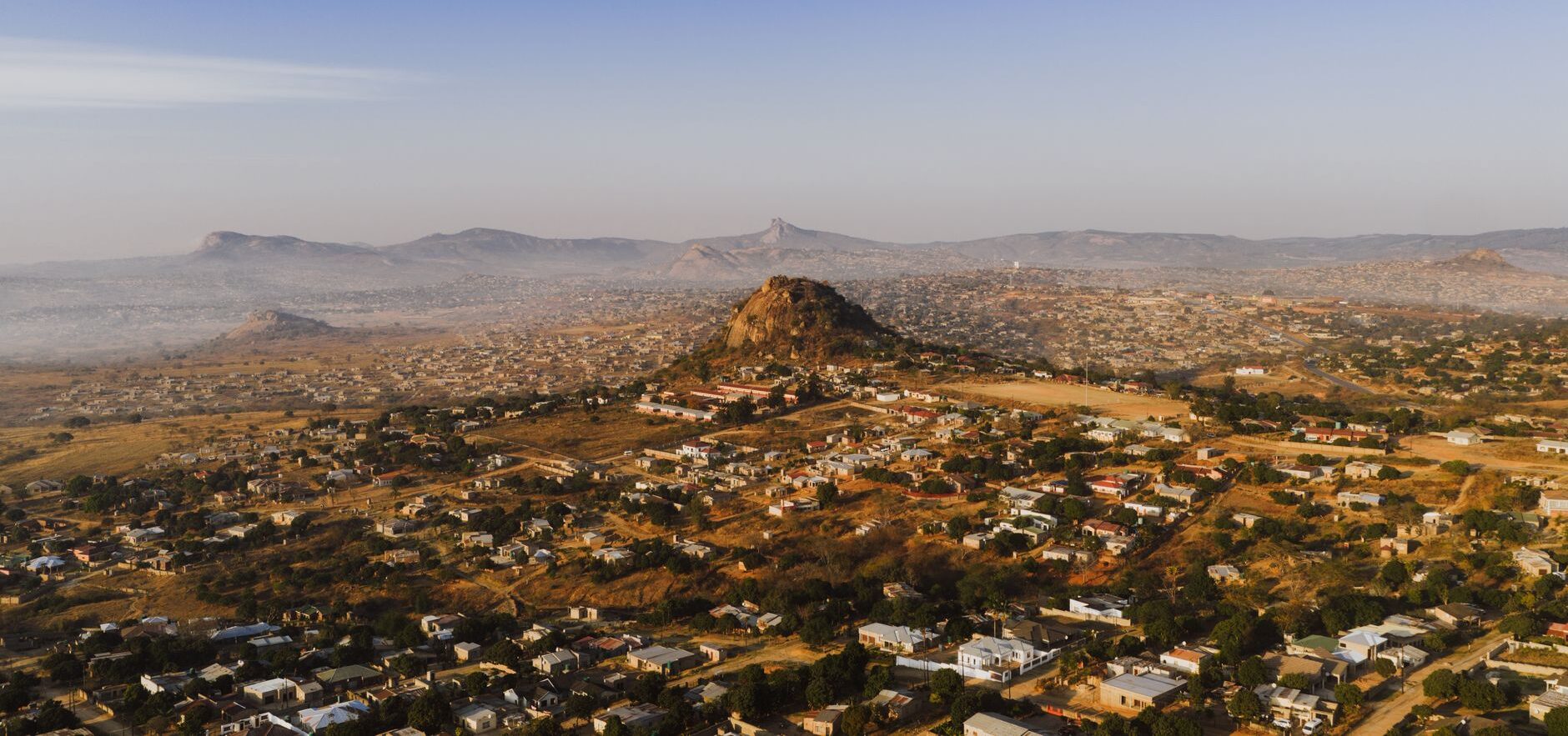

    How One African Nation Turned Natural Wealth Into Sustainable Development
    How One African Nation Turned Natural Wealth Into Sustainable Development

    Final Thoughts: Botswana’s Next Great Challenge

    Botswana’s rise from one of the world’s poorest countries to one of Africa’s most stable economies is not simply a diamond story.

    It is a story about:

    • Visionary leadership.
    • Strong institutions.
    • Democratic traditions.
    • Responsible resource management.

    Diamonds gave Botswana financial power, but good governance determined what happened next.

    The country has already survived major challenges—from colonial pressure under Cecil Rhodes to the HIV/AIDS crisis. The decline of the diamond industry represents another historic test.

    The question now is whether Botswana can successfully transition from a diamond-powered economy into a more diverse and sustainable one.

    If its history is any indication, the country’s greatest resource may not be what lies beneath the ground—it may be the institutions and values built above it.

  • How to Change a Password on OBRS in Botswana

    Table of Contents

    How to Change a Password on OBRS in Botswana

    Learn how to change your password on OBRS in Botswana, protect your CIPA account, use two-factor authentication, recover access and keep your business information secure.

    The Online Business Registration System (OBRS) has made it easier for businesses and individuals in Botswana to manage company and business registration services online. However, because the system gives users access to important business information and filings, keeping your login credentials secure is essential.

    One of the simplest ways to protect your OBRS account is to change your password regularly and avoid sharing your username and password with other people.

    The Companies and Intellectual Property Authority (CIPA), which operates Botswana’s OBRS, specifically advises users to change their passwords regularly. CIPA also recommends enabling two-factor authentication (2FA) through the profile settings to add another layer of protection to the account.

    If you are new to the system, you may first need to create an individual profile on the Online Business Registration System or, where appropriate, create an organisation profile on the Online Business Registration System.

    If you need to change your OBRS password, the process should be approached as an account-security task rather than something to postpone until you forget your password.

    What Is OBRS in Botswana?

    OBRS stands for Online Business Registration System. It is the online platform used by Botswana’s Companies and Intellectual Property Authority (CIPA) to provide various business registration and company-related services.

    Instead of having to handle every transaction physically, users can use the system to manage business and company-related matters online.

    The system has also received upgrades designed to improve the user experience and introduce additional functionality. CIPA’s OBRS upgrade included features such as beneficial ownership declarations, mandatory company constitutions, pre-pay accounts, transaction history and company watchlists.

    OBRS can be used for a wide range of business-registration activities. Depending on your requirements, you can use the system to register a business name on the OBRS, register a close company on the OBRS, or register different types of companies.

    Because OBRS can provide access to sensitive company information and allow authorised users to submit transactions, your account password should be treated as an important business credential.

    For additional information about starting and registering a business in Botswana, you can also explore this Botswana business registration guide.

    Why Should You Change Your OBRS Password?

    Changing your password regularly is an important part of protecting your OBRS account.

    CIPA states that a user’s username and password are important for keeping company information safe and should not be shared with a company secretary or another person. Every person associated with a company should have their own username and password.

    There are several reasons to change your password.

    1. To protect your company information

    Your OBRS account may provide access to information and services relating to your business. A compromised password could potentially expose information that should only be available to you.

    2. To reduce the risk of unauthorised access

    If you have accidentally disclosed your password, used it on an insecure computer or suspect that someone else knows it, changing it can help protect the account.

    3. To follow good cybersecurity practices

    Passwords should not be treated as permanent credentials. Regularly updating them is a simple security measure that can reduce the consequences of an old or compromised password.

    4. To protect access when working with other people

    Business owners sometimes allow accountants, consultants, company secretaries or other professionals to assist with company administration.

    However, CIPA advises against sharing your OBRS username and password. Instead, each person should have their own credentials and appropriate authority.

    How to Change Your Password on OBRS in Botswana

    The exact appearance of the OBRS interface can change as CIPA updates the system. Therefore, users should rely on the current options displayed after logging into their account.

    A typical password-change process can be approached as follows:

    Step 1: Log in to your OBRS account

    Open the official Botswana OBRS platform and sign in using your existing username and password.

    Make sure you are using the legitimate CIPA platform rather than a website sent to you through an unknown link.

    When entering your credentials, check the website address carefully before proceeding.

    Step 2: Open your profile or account settings

    After successfully logging in, look for your profile, account, or profile settings area.

    CIPA’s security guidance specifically refers to profile settings as the place where users can activate two-factor authentication.

    Password-management options may be located within the same account-management area.

    If you recently changed your personal information, remember that OBRS also provides a process for changing profile details on the OBRS.

    Step 3: Look for the password-change option

    Find the option relating to changing or updating your password.

    Depending on the current OBRS interface, this may be presented as a password or account-security option.

    Select the relevant option and follow the instructions displayed by the system.

    Step 4: Enter your current password

    If the system asks for your existing password, enter the password you currently use to access OBRS.

    This step helps confirm that the person attempting to change the password has access to the account.

    Step 5: Enter your new password

    Create a new password that is difficult for another person to guess.

    Avoid passwords based on information that other people can easily discover, such as:

    • Your name
    • Your business name
    • Your telephone number
    • Your date of birth
    • Your company registration number
    • A common word
    • 123456
    • password
    • Your old password

    A stronger approach is to use a long, unique password that you do not use for another website or service.

    Step 6: Confirm the new password

    If OBRS asks you to enter the new password twice, make sure both entries are identical.

    Carefully check for:

    • Capital letters
    • Lowercase letters
    • Numbers
    • Symbols
    • Spaces
    • Typing mistakes

    Step 7: Save or submit the change

    Once you have entered the required information, select the appropriate Save, Update, Change Password, or equivalent button displayed by the system.

    Wait for the system to confirm that the password has been successfully changed.

    Step 8: Log in again

    After changing the password, log out and sign in again using the new credentials.

    This is a useful way to confirm that the password change was successful.

    If your previous password no longer works and the new password does, avoid continuing to use the old password anywhere else.

    What If You Forgot Your OBRS Password?

    Changing a password while you are logged in is different from recovering a forgotten password.

    If you can no longer remember your OBRS password, look for the password-recovery or Forgot Password option on the OBRS login page.

    The recovery process may require information associated with your account so that the system can verify your identity.

    If the normal password-recovery process does not work, it is better to contact CIPA directly rather than repeatedly entering incorrect credentials or attempting unofficial methods.

    CIPA provides customer assistance through its official channels. For the most reliable and current information about OBRS, users should refer directly to the official CIPA website.

    How to Create a Strong OBRS Password

    Changing your password is only useful if the replacement password is reasonably secure.

    A good password should be:

    • Unique — don’t reuse it on your email, banking or social-media accounts.
    • Long — longer passwords are generally harder to guess.
    • Difficult to predict — avoid personal information.
    • Private — never give it to another person.
    • Stored securely — consider using a reputable password manager.

    For example, instead of using a simple password based on your business name, create a unique passphrase containing several unrelated words and additional characters.

    You should also avoid keeping your OBRS password in an easily accessible text file on a shared computer.

    Do Not Share Your OBRS Password

    This is one of the most important security points for OBRS users.

    You may work with a company secretary, accountant, lawyer, consultant or business-registration agent, but that does not mean you should give that person your personal OBRS login details.

    CIPA explicitly states that usernames and passwords should not be shared. Each person associated with a company should have their own username and password.

    This approach is also better from an accountability perspective.

    If several people use one account, it can become difficult to determine who performed a particular action. CIPA’s security guidance explains that users can check a company’s filings and identify the person who submitted a particular transaction.

    Use Two-Factor Authentication on OBRS

    Changing your password is only one part of protecting your account.

    CIPA also recommends enabling Two-Factor Authentication (2FA) through your profile settings. With 2FA activated, successful login requires an additional verification code sent to your email and cellphone.

    Why 2FA matters

    Consider a situation where someone discovers your password.

    Without an additional security measure, that password could potentially be enough to access your account.

    With 2FA enabled, the attacker may also need access to the additional verification method.

    This means that password + 2FA is generally a stronger security arrangement than relying on a password alone.

    What to Do If You Think Someone Knows Your OBRS Password

    If you believe that someone else has obtained your OBRS password, don’t wait until there is evidence of suspicious activity.

    Take action immediately.

    1. Change your OBRS password.
    2. Enable 2FA if it is not already active.
    3. Do not share the new password.
    4. Check your recent account activity and transactions.
    5. Check company filings for anything you did not submit.
    6. Contact CIPA if you suspect unauthorised activity.

    CIPA’s security guidance explains that users can check who submitted a particular company transaction by logging into OBRS, selecting the company, going to Filings, and opening the relevant transaction.

    Be Careful When Using OBRS at an Internet Cafe

    Not everyone accesses OBRS from a private office or personal computer. Some users may need to use an internet cafe or another shared computer.

    CIPA says that OBRS can be used safely in a public place such as an internet cafe, but users should log out immediately after completing their transactions and should not leave the computer unattended while logged in.

    If you use a public computer, take additional precautions:

    • Make sure nobody is watching while you enter your password.
    • Never save your password in the browser.
    • Do not allow the browser to remember your login credentials.
    • Log out when finished.
    • Close the browser window afterward.
    • Do not leave the computer while your OBRS account is open.
    • Avoid accessing your account from computers that appear compromised.

    If you suspect that a public computer has recorded your password, change your password as soon as possible from a trusted device.

    Common OBRS Password Mistakes to Avoid

    Using the same password everywhere

    If your OBRS password is also your email password, a compromise of one account could put the other account at risk.

    Use a unique password for OBRS.

    Giving your password to your accountant or consultant

    Even if you trust the person, sharing credentials creates unnecessary security and accountability risks.

    Use the appropriate OBRS authority mechanisms instead.

    Using an easy-to-guess password

    Avoid names, business names, phone numbers and other information that can easily be connected to you or your business.

    Ignoring suspicious activity

    If you notice a filing, change or transaction that you did not make, don’t assume it is a system error.

    Investigate it promptly.

    Leaving your account open

    Always log out after completing your OBRS work, particularly when using a shared or public computer. CIPA specifically advises users to log out immediately after completing transactions in public locations.

    Changing Your Password Is Part of Good Business Administration

    For business owners in Botswana, cybersecurity should be treated as part of ordinary business administration.

    An OBRS account is not simply another website account. It can be connected to important company information, filings and administrative activities.

    That makes basic account security particularly important.

    OBRS also covers many other business-administration functions. For example, users can create a pre-pay account on the OBRS and use the platform for different business and company registration processes.

    Depending on the type of entity you are establishing, OBRS can also be used to register a company limited by guarantee, register a private company, or register a public company.

    A sensible OBRS security routine should include:

    1. Use a unique password.
    2. Change the password when you suspect it has been compromised.
    3. Change passwords periodically as part of your security routine.
    4. Never share your login credentials.
    5. Give other users their own accounts and appropriate authority.
    6. Enable 2FA.
    7. Log out after using OBRS on a shared computer.
    8. Monitor company filings and transactions.
    9. Contact CIPA when you suspect unauthorised access.

    Frequently Asked Questions About Changing an OBRS Password

    How often should I change my OBRS password?

    CIPA advises users to change their password regularly.

    There is also a particularly good reason to change it immediately if you believe somebody else knows it or if you have used the password on another service that has experienced a security incident.

    Can I share my OBRS password with my company secretary?

    You should not share your OBRS username and password with your company secretary. CIPA specifically advises against sharing credentials and says that each person associated with a company should have their own username and password.

    Can I use OBRS from an internet cafe?

    Yes. CIPA says it is possible to use OBRS in public places such as internet cafes, provided that users take appropriate precautions, including logging out immediately after completing transactions and not leaving the computer unattended while logged in.

    ###Should I enable two-factor authentication?

    Yes. CIPA recommends activating two-factor authentication through your profile settings. According to CIPA, 2FA adds a verification code sent to your email and cellphone when a successful login is attempted.

    What should I do if I suspect unauthorised access?

    Change your password immediately, enable 2FA, review your company filings and contact CIPA if you believe your account or company information has been compromised.

    What if the password-change option looks different?

    Online systems can change after software upgrades. CIPA has upgraded OBRS over time, including introducing additional features and improvements.

    If your screen does not match an older guide, follow the options displayed by the current OBRS interface and use CIPA’s official support channels if you cannot locate the relevant account-security feature.

    Can I use OBRS to register different types of companies?

    Yes. OBRS supports various business and company registration processes. In addition to private and public companies, users may need to register an external company on the OBRS when establishing the appropriate presence for a foreign company in Botswana.

    Can I reserve a company name through OBRS?

    Yes, name reservation is one of the processes associated with business registration. If you are preparing to establish a company, you can learn more about how to reserve a company name on the OBRS before proceeding with registration.

    How can I access my company certificate or extract?

    After completing the relevant registration process, users may need to retrieve official documents through the system. A separate guide explains how to view the certificate or extract of a company or business name on the OBRS.

    Final Thoughts

    Knowing how to change a password on OBRS in Botswana is a small but important part of managing a business online.

    Your OBRS credentials should be treated as confidential business information. Avoid sharing them, use a strong and unique password, activate two-factor authentication and always log out when using a shared computer.

    Most importantly, don’t wait until you discover suspicious activity before taking account security seriously. Regular password management and 2FA can help reduce the risk of unauthorised access and protect your business information.

    OBRS is an important platform for Botswana entrepreneurs and companies, but registration is only one part of running a compliant business. Protecting the account you use to manage your business information is equally important.

    For the most current instructions and OBRS security requirements, users should always refer to the official guidance from the Companies and Intellectual Property Authority (CIPA). CIPA’s security guidance confirms that regular password changes, 2FA and responsible handling of login credentials are important measures for protecting OBRS accounts.

Free Consultation

Talk to a consultant

Tell us about your business and we’ll get back to you within a few minutes.

Message Sent!

Thank you for reaching out. We have received your inquiry and our consulting team will get back to you within a few minutes.